
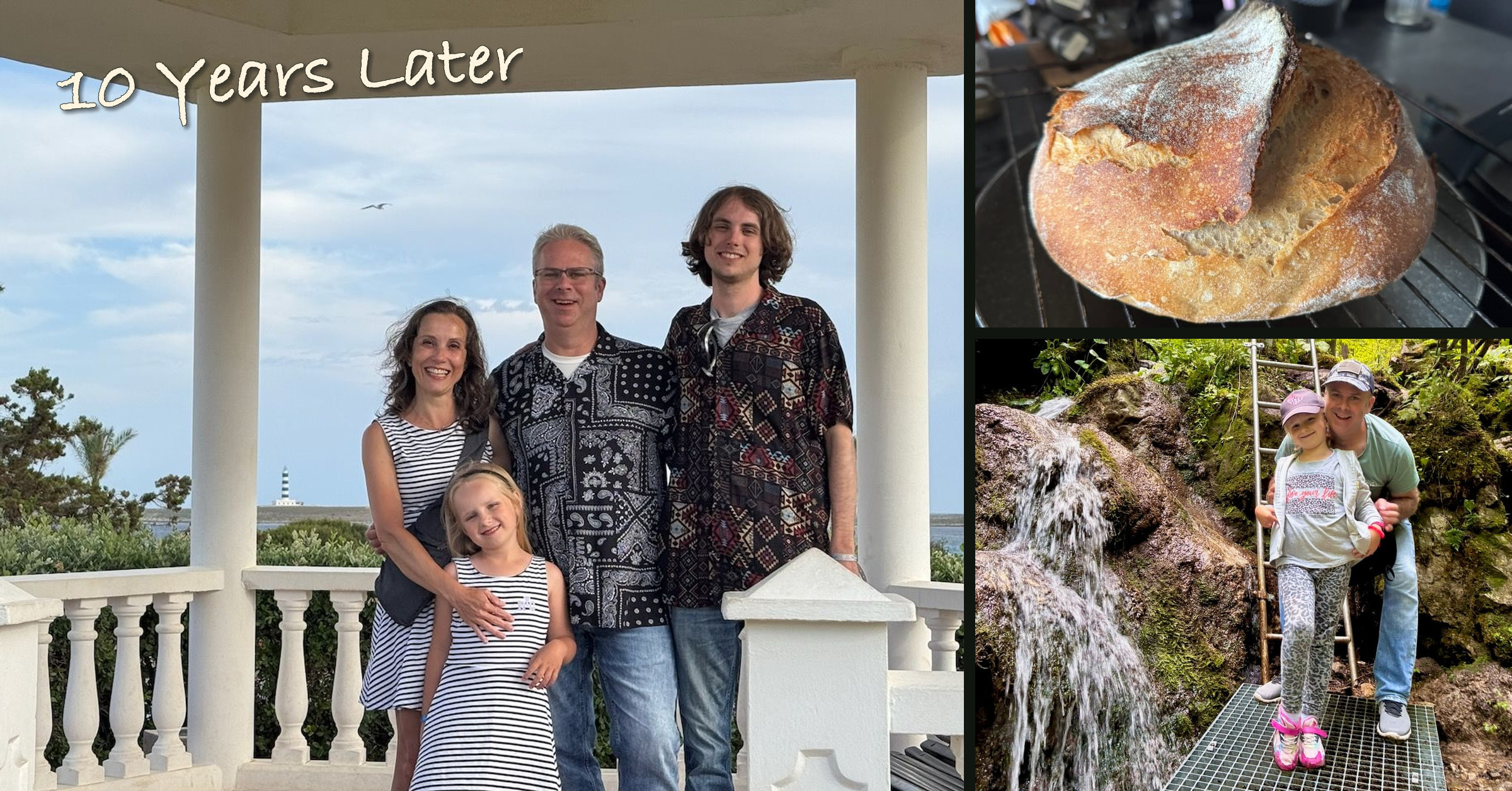
Ten years ago I wrote An American Abroad in Slovakia. I talked about bubbles. The small bubble of family and friends, the medium sized bubble of your town, the larger bubble of your country and culture. Then I wrote about the anti-bubble, the world outside all of that.
Well, ten years later, I’m still here. Still in Slovakia. Still outside the bubble. Or maybe the bubble just got much bigger.
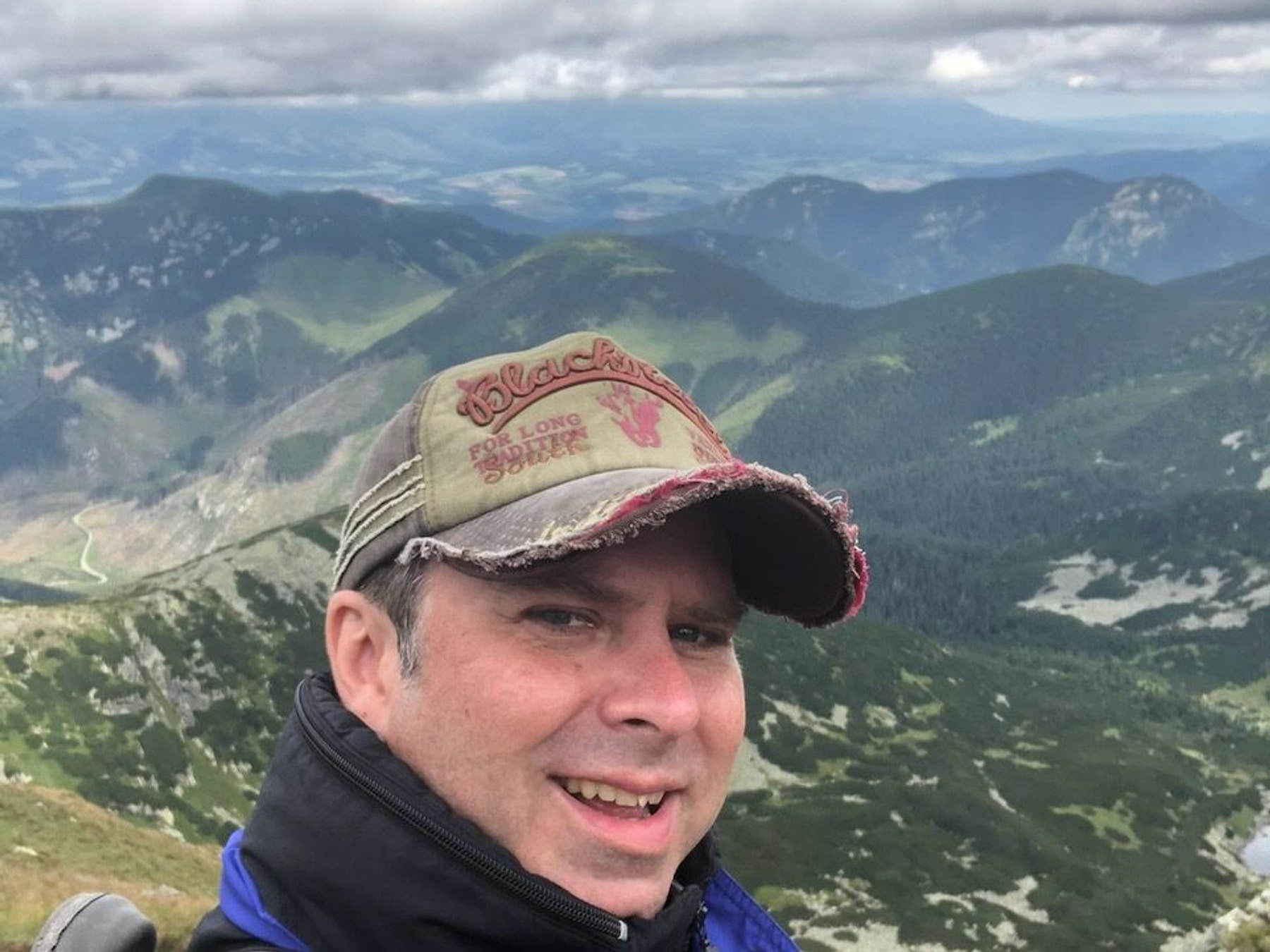
Living in the middle of Europe changes your sense of distance. Italy, Spain, France, Germany, Czech Republic, Austria, islands in Greece, Menorca. These are places you can actually go. They are not abstract destinations on a map. They become memories, meals, train stations, airport delays, hotel breakfasts, beaches, museums and small streets you wander through while wondering what kind of life people have there. This year we’re going to Montenegro, my first time in the Balkans, and I’m excited for that same reason I was excited the first time I walked into a Slovak supermarket. What is this place? What do they eat? What do they value? What can I learn here?
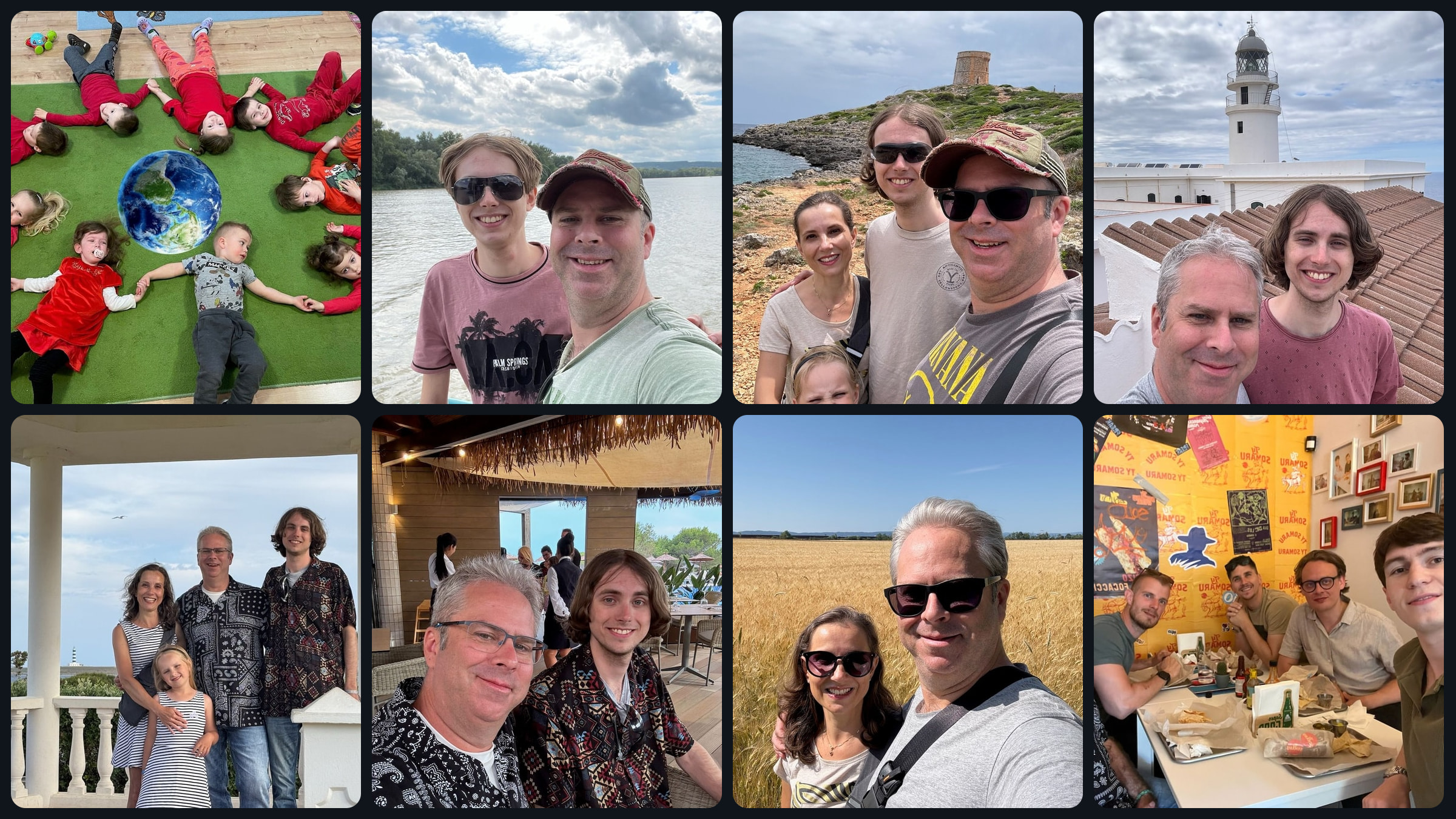
Traveling back to the United States is somehow less simple. I have a U.S. passport and a Slovak permanent residency card, and you would think that would be enough. But Vienna border control still gave me a hard time because of the stamps in my passport. I’m still not totally clear what documentation I need to move cleanly between the two lives I occupy. That’s one of the strange things about being abroad for this long. You belong here, but you don’t fully belong here. You belong there, but every year you feel a little further from there too.
Then Covid happened.
Going through Covid in Europe was its own education. Vaccines, vaccine cards, QR codes, rules changing every few weeks, borders opening and closing like doors in a haunted house. It was the first time I really felt how much Europe is both one thing and not one thing. The EU can feel unified until it suddenly doesn’t. Every country has its own rules, its own panic, its own paperwork, its own way of saying, “yes, but not like that.”
And then Russia invaded Ukraine.
It is hard to explain to Americans what it feels like to live this close to a war. Ukraine is not some faraway place on a cable news chyron. It is right there. It is a neighbor. You read the updates every day. You see the terrible things Russians are doing. You watch Europe try to respond with resolve, then watch countries like Hungary under Orbán block, delay, dilute and frustrate that resolve. It makes you angry in a way that is hard to put away at the end of the day.
There are things I still love deeply about Europe. The culture. The food. My colleagues. Slovak nature, which continues to be one of the most underrated treasures on Earth. The forests, the mountains, the gardens, the way people here still understand that being outside is part of being alive. Slovaks continue to surprise me with how down to earth and kind they can be.
Healthcare has also been fantastic for me. Ten years ago I wrote that the system was a little bit of both, but mostly better. I still think that. My doctors here have been excellent, especially with preventative care. They treat conditions before they become disasters. Prescriptions are still shockingly affordable compared to America. There are frustrations, sure, but the overall feeling is that medicine here is not trying to bankrupt you for the crime of needing help.
Another unexpected hobby that has grown out of life here is sourdough bread. A nice local bakery gave me some sourdough starter for free, and that little jar of living flour and water has been making amazing bread for my family. There is something deeply satisfying about it. You feed it, wait on it, fold it, shape it, bake it, and then suddenly the whole house smells like a bakery. We still have a hard time finding bagels here, so I make my own. Like a lot of things about living abroad, it started as something I missed from home and turned into something I learned to do myself.
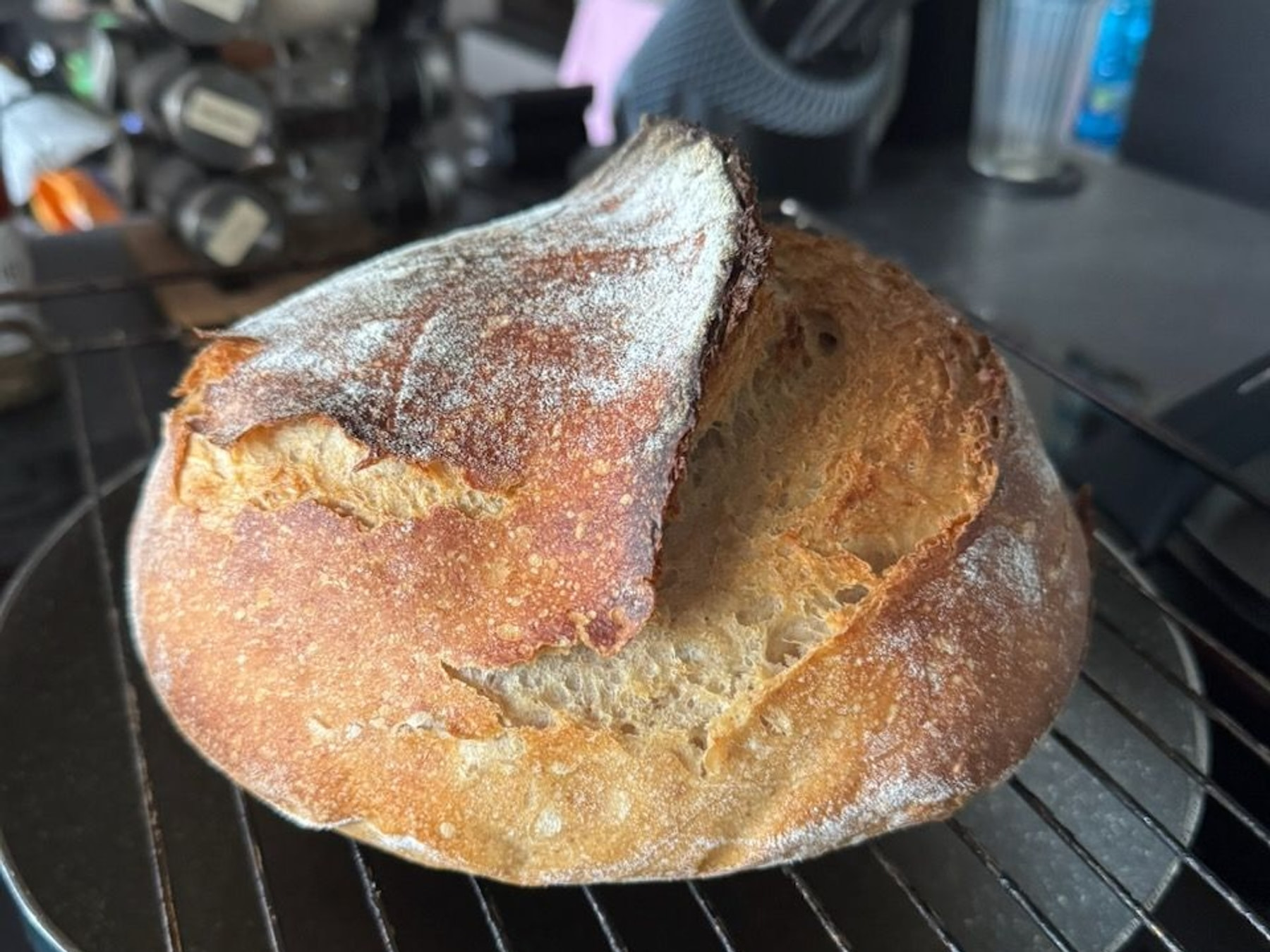
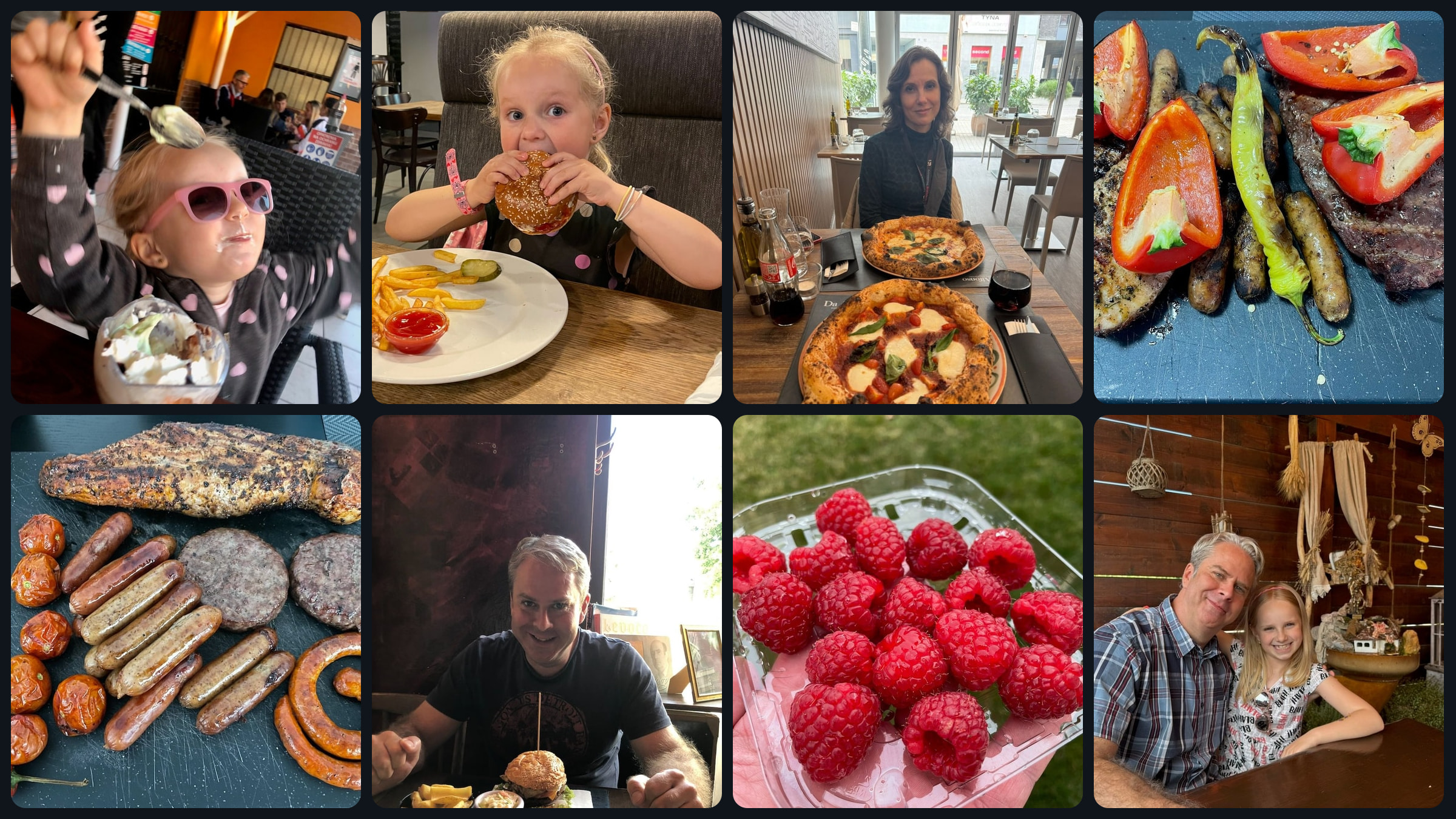
The food situation is still one of my favorite parts of living here. Not everything is better, but a lot of things are. The simple stuff can be amazing. Grilled food, fruit from a garden, soup that tastes like somebody cared about it. Ten years ago I was writing about rožky, goulash, knedľa and orange egg yolks. Now I’m still excited by the same kinds of things, just with a little more confidence and a lot more sourdough flour on the counter.
But Europe also has this nanny-state impulse that drives me crazy.
Everything gets nerfed. Water bottles now have plastic caps that refuse to detach, like I’m a toddler who can’t be trusted near a recycling bin. AI features on Apple devices are blocked. I finally moved my Apple devices from the U.S. store to the EU store so I could use my car app properly in Europe, and suddenly I’m locked out of Siri AI features, Apple News and even features like using my iPhone from macOS. Google Chrome blocks in-browser AI features. Codex is blocked from more useful things like computer control. It starts to feel like we are second-class digital peasants here in the EU. The rest of the world gets the future and we get a compliance memo.
I understand the instinct to protect people. I do. But at some point protection becomes paralysis. Europe has so much talent, culture, intelligence and history, yet it often seems determined to regulate itself into the slow lane. It’s frustrating to live in a place this beautiful and this capable and constantly feel like innovation is something happening somewhere else.
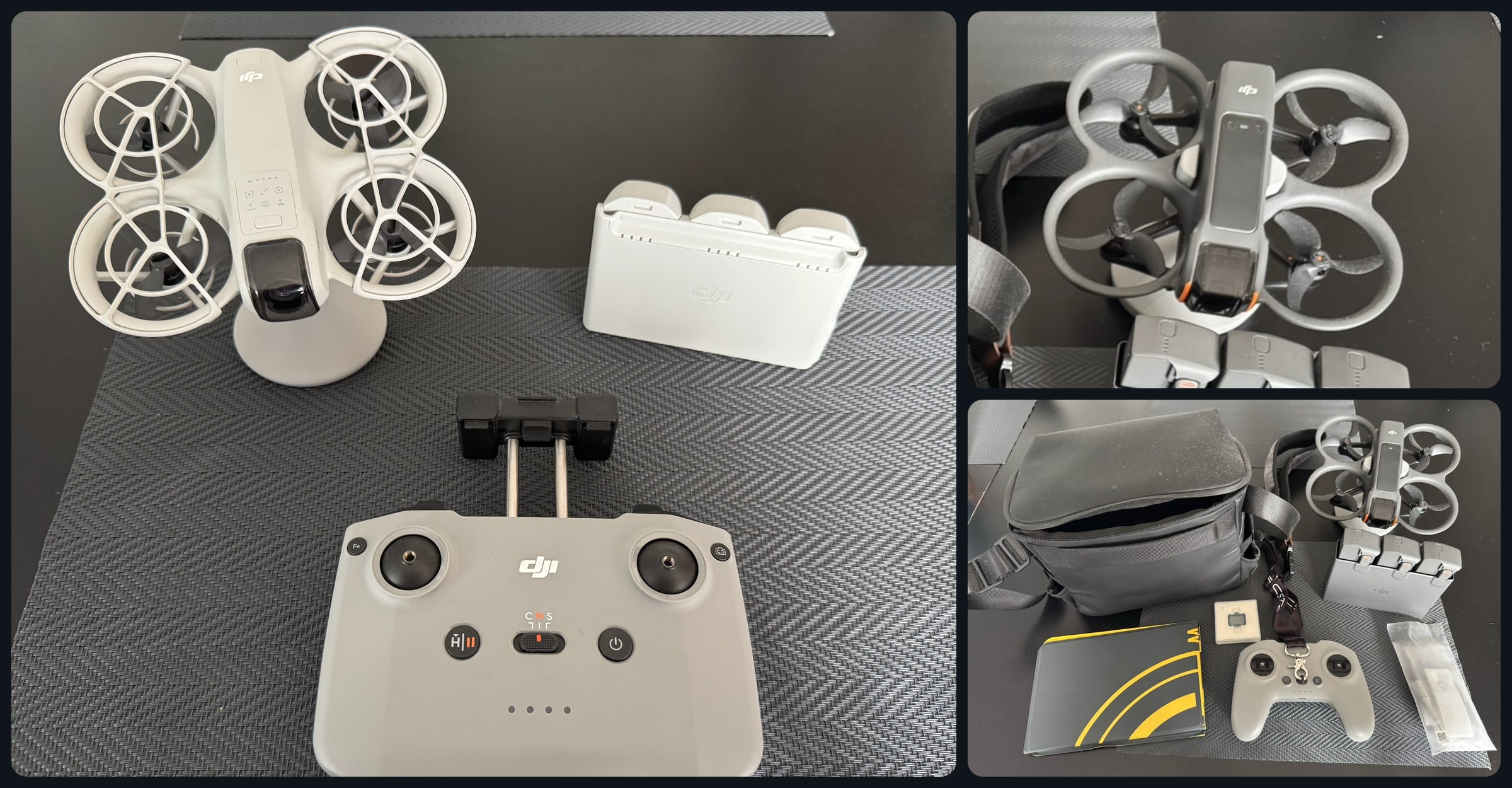
One of the hobbies that has fit perfectly into this European life is flying drones. I went through the certification process and got my EU drone license, which felt very European in the best and most paperwork-heavy way possible. The good part is that once you pass the certifications, you can fly your drone across EU countries under the same basic framework. That’s actually fantastic. I can travel with a drone and not feel like I’m starting from zero every time I cross a border. Europe can be frustrating with rules, but every once in a while the rules actually make sense.
And then I look back at America and I don’t exactly feel comforted.
Watching the Trump administration mistreat the EU and America’s allies around the world has been endlessly frustrating. Canada, of all places, being treated like some kind of enemy. The handling of Iran is bizarre and reckless, and now everyone gets to feel it through fuel prices and global anxiety. China, Russia and Iran all loom larger now. The world feels more unstable than it did ten years ago. Maybe it is. Maybe I’m just older and paying closer attention. Either way, the bubble feels thinner.
The biggest change in my life, though, is not political. It is Emma.
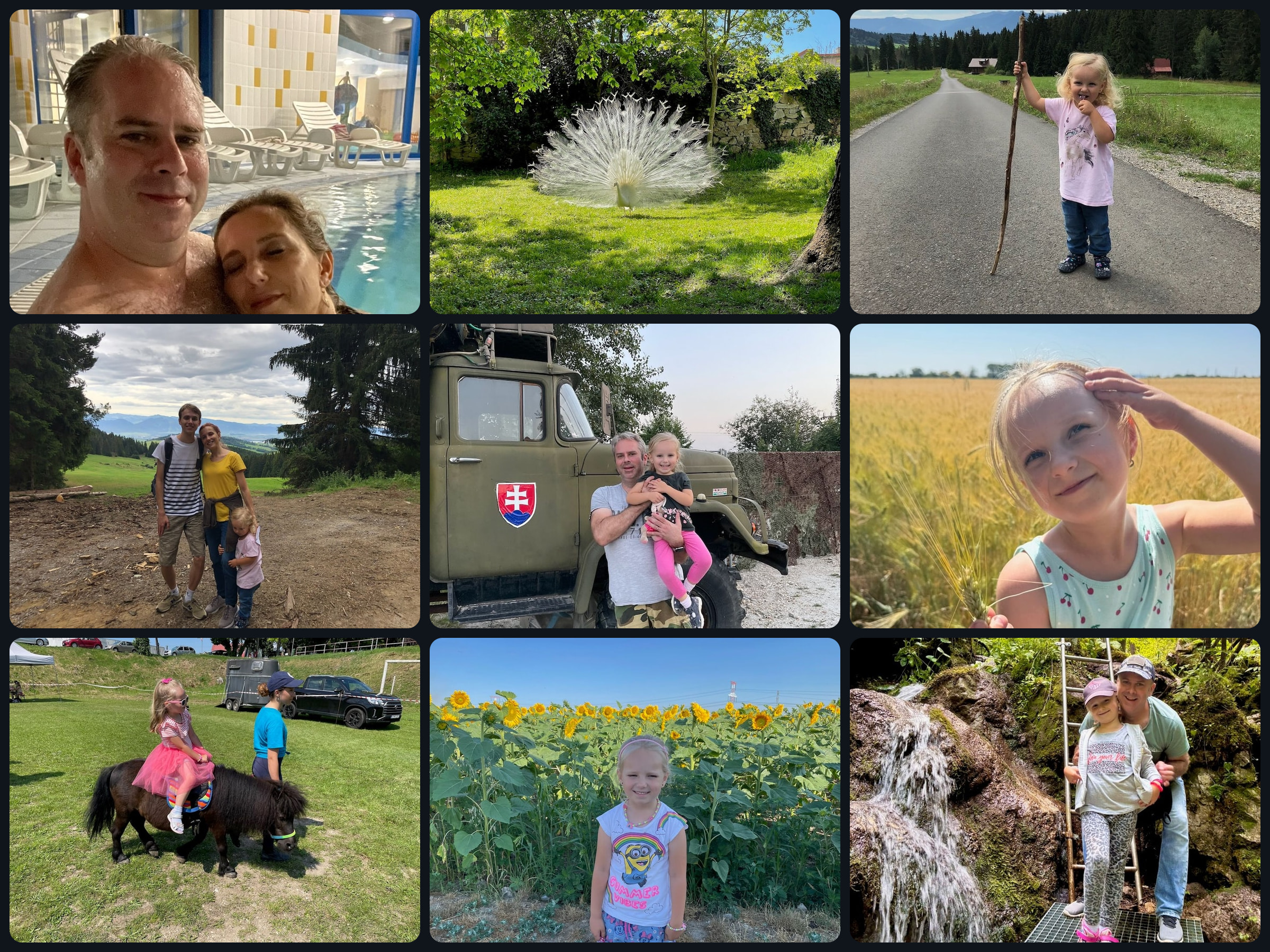
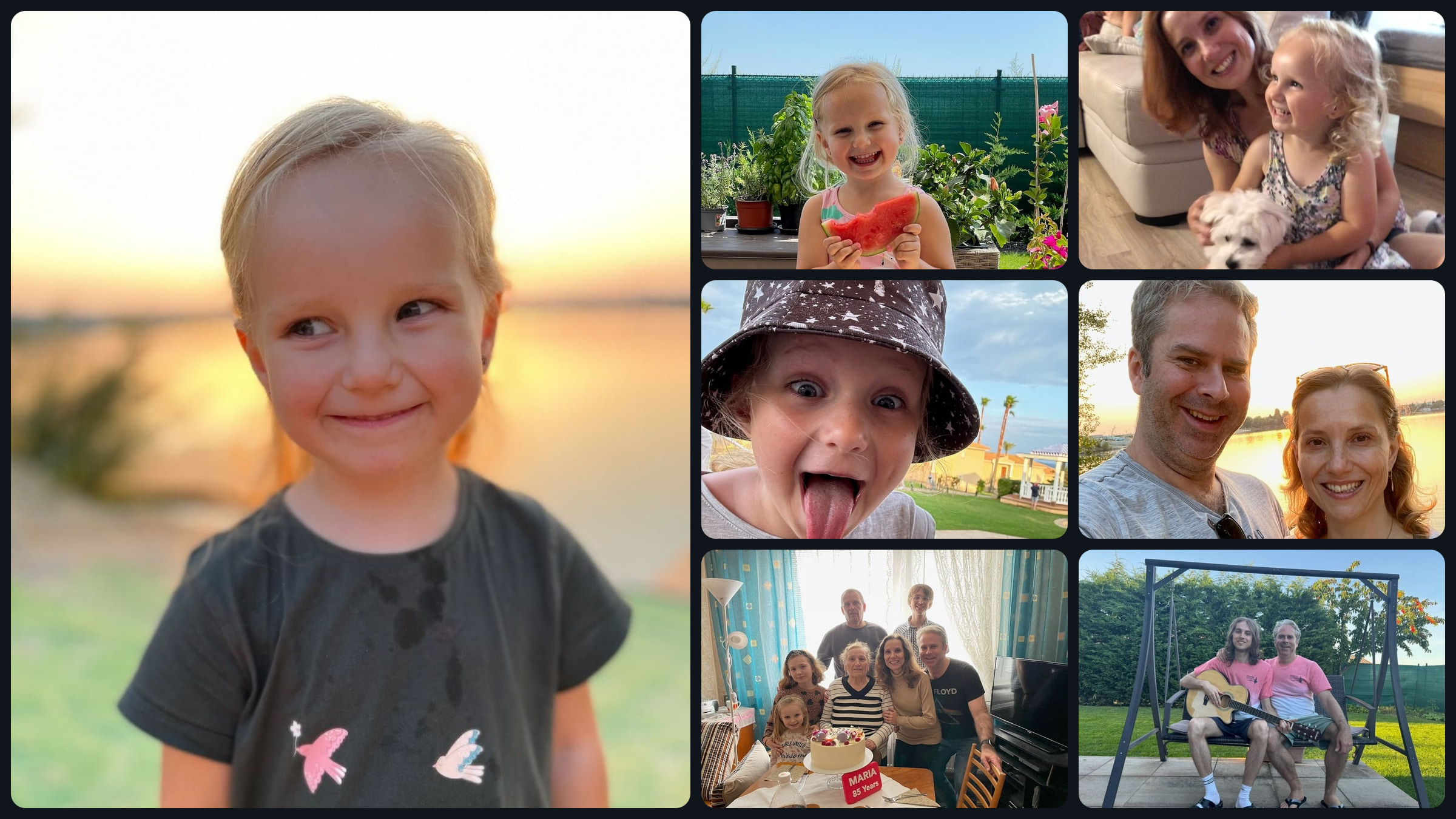
Two years after I wrote that first post, my daughter was born here in Slovakia. She is the highlight of the last ten years. Endless joy. Endless love. Endless optimism. Having a child born into this life between cultures changes everything. She is Slovak and American. She belongs to this place in a way I never fully will, and she connects me to it in a way nothing else could.
I also now work in AI for a large tech company, which is its own strange puzzle. I spend my days inside one of the most important technological shifts of our time while also worrying about what it might do to the job market, to creativity, to trust, to truth, to people who just want to make a living. It is fascinating and unsettling at the same time. I love the technology. I worry about the implications. Both things are true.
So ten years later, my bubble has expanded. A lot.
It includes Slovakia, America, Europe, Ukraine, family, work, AI, war, travel, bureaucracy, great doctors, ridiculous bottle caps, cheap prescriptions, beautiful mountains, amazing soups, drones, sourdough starter, homemade bagels, digital frustration and a little girl who makes the future feel worth fighting for.
I still don’t want perfect. I still want different. I still believe stepping outside the bubble is one of the best things a person can do.
I just hope the bubble doesn’t burst.
Life goes on, and so must we. For a better future. For our children. For each other.
And especially for the people of Ukraine.