The Velvet Rope Era
On Tuesday, September 29, OpenAI gave every ChatGPT Pro subscriber a personal AI agent with its own cloud computer, access to more than 4,000 apps, and the ability to work while you sleep. Every Pro subscriber, that is, except the ones in Europe and the UK. I live in Slovakia. I pay the same $200 a month as everyone in Ohio. And on the biggest launch day of the year, I got a polite little note that said, in effect: not you, not yet. That moment captures the whole state of AI right now better than any benchmark chart. The future is here. It is just standing behind a velvet rope, and someone else is deciding who gets in.
![Good Vibes Only]()
Good Vibes Only
There is a particular feeling that shows up when the distance between an idea and a working thing suddenly collapses. One minute, something is sitting in the mental junk drawer labeled someday . The next, it is live, tested, improved, and weirdly close to good. Not perfect. Not final. But real.
![The Death of the Browser Tab: Open Claw, WebMCP, and the New Agentic Stack]()
The Death of the Browser Tab: Open Claw, WebMCP, and the New Agentic Stack
If you have spent any time on X, in the AI corners of GitHub, or lurking around Moltbook lately, you have felt the temperature change. The screenshots got louder. The demos got weirder. The line between “assistant” and “operator” started to blur. OpenClaw is no longer being treated like a clever side project. Its creator joined OpenAI in February, the project is moving into a foundation, and Moltbook itself was acquired by Meta in March. That is not novelty energy. That is platform energy.
![AI + 3D Printing: The Blueprint for a Sustainable Manufacturing Revolution]()
Aug 06, 20256 min
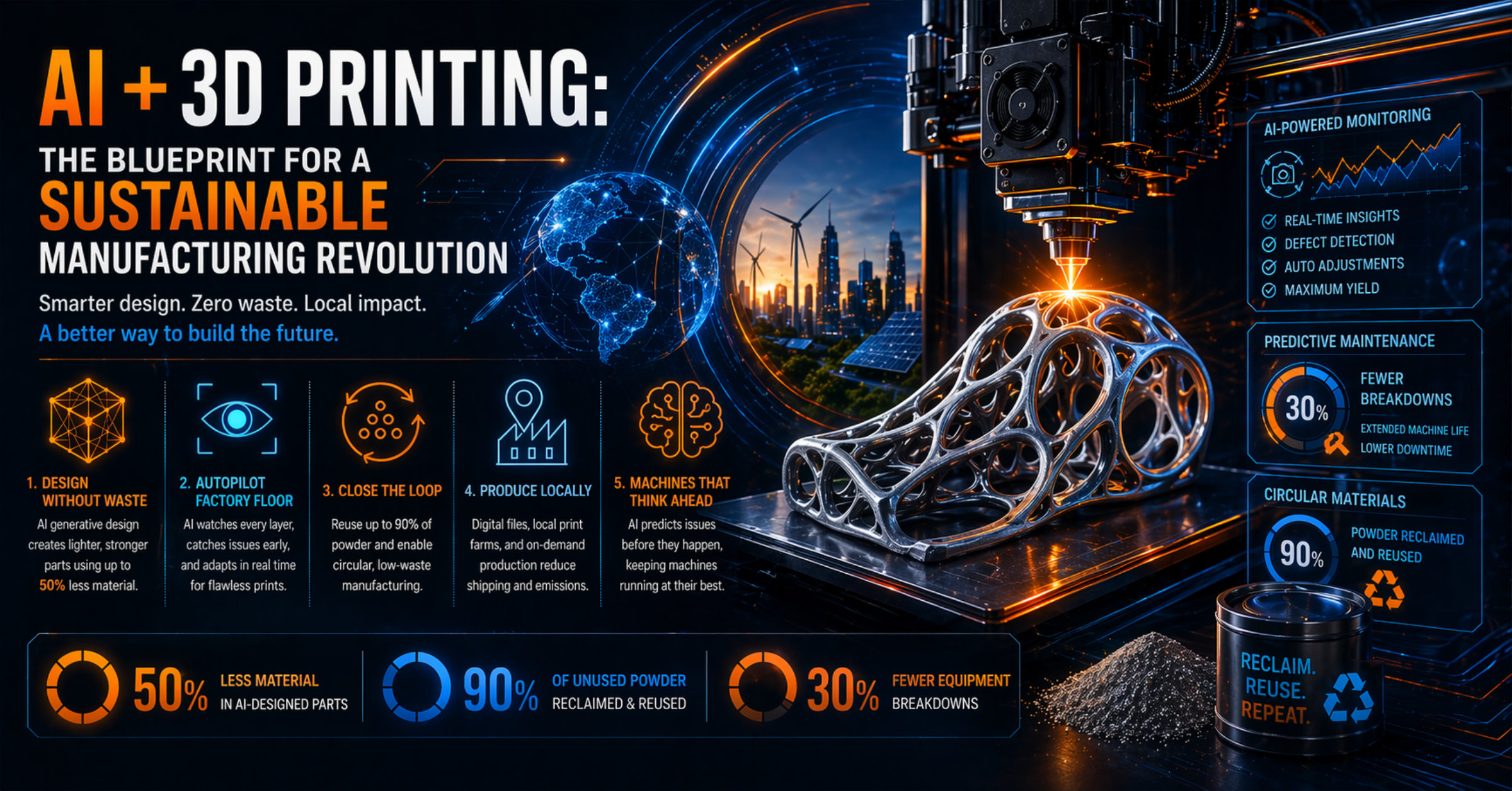
3D PrintingAI + 3D Printing: The Blueprint for a Sustainable Manufacturing Revolution
For years, manufacturing has lived with a bad bargain: if you wanted more output, you usually accepted more waste, more energy use, and more emissions. That tradeoff is starting to crack. AI and additive manufacturing are beginning to change the model itself, turning production into something more precise, more responsive, and far less wasteful. NIST now highlights generative design and predictive maintenance among the ways AI is already reshaping manufacturing, while the U.S. Department of Energy points to additive manufacturing as a path to lower material use, lower energy use, and lower emissions.
![Harnessing AI and LLMs for Enhanced Corporate Knowledge Management]()
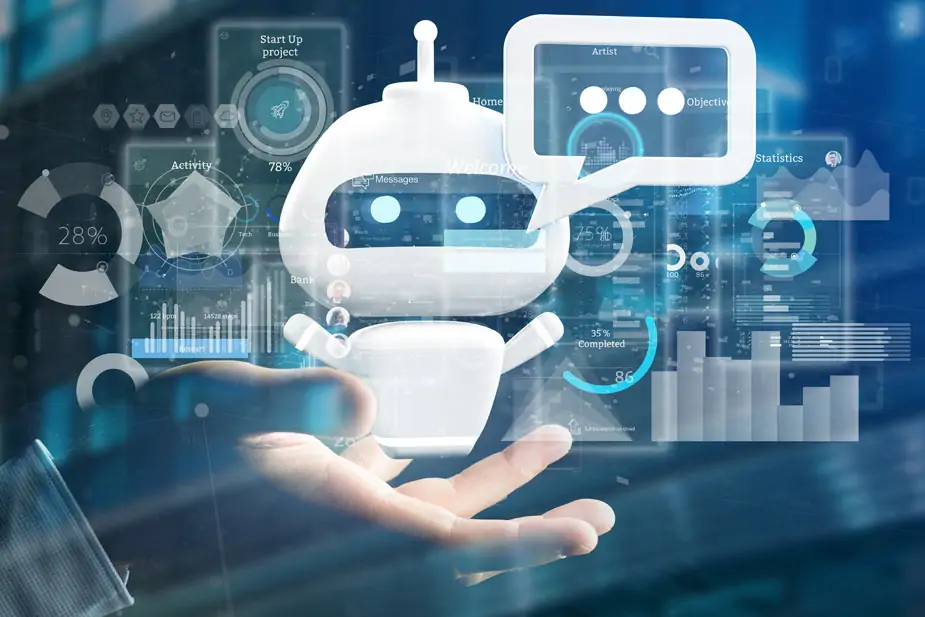
Harnessing AI and LLMs for Enhanced Corporate Knowledge Management
In today’s rapidly evolving business landscape, having a robust knowledge management system (KMS) is paramount for corporations seeking to maintain a competitive edge. A KMS can encapsulate a vast array of data, insights, and experiential knowledge, aiding in informed decision-making and fostering a culture of continuous learning. The advent of Artificial Intelligence (AI) and Language Model Learning (LLMs), like OpenAI’s GPT-4, adds a new dimension to how corporations can manage and leverage their knowledge resources. In this article, we delve into how integrating AI and LLMs into a corporation’s KMS can spur productivity, enhance information retrieval, and catalyze novel connections amidst disparate data realms.
![The Future of Corporate America: The Transformative Power of Generative AI]()
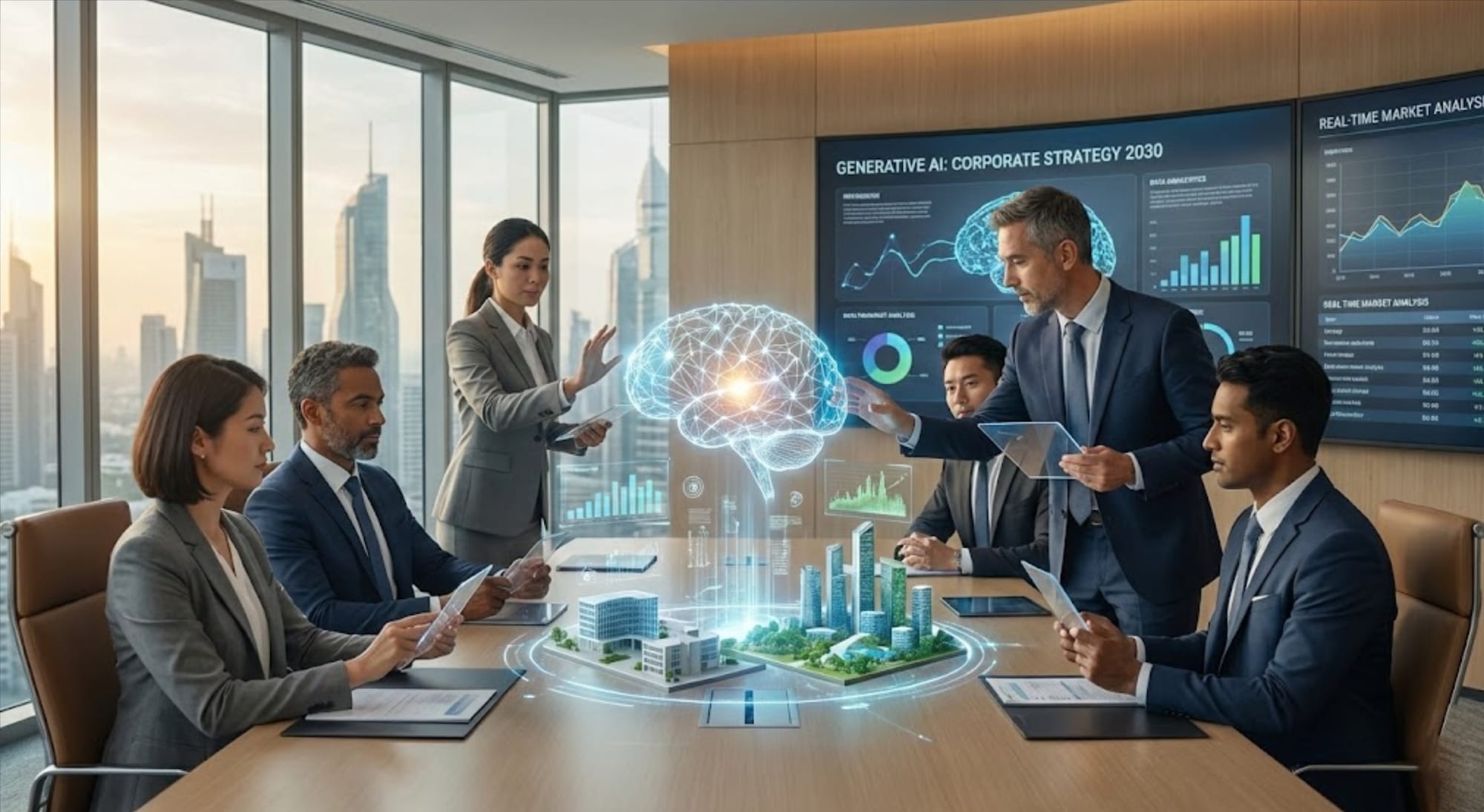
The Future of Corporate America: The Transformative Power of Generative AI
Artificial Intelligence (AI) has been a buzzword for quite some time now, but the advent of Generative AI has taken the conversation to a whole new level. Generative AI, a subset of AI, has the potential to revolutionize the way businesses operate, making it a game-changer for Corporate America.
![The Intersection of AI and 3D Printing: A New Era of Manufacturing]()
May 23, 20231 min
3D PrintingThe Intersection of AI and 3D Printing: A New Era of Manufacturing
The integration of AI and 3D printing holds immense potential for the future. With advancements in AI algorithms and 3D printing technology, we can expect to see more intelligent and autonomous 3D printers that can self-optimize and self-correct, leading to more efficient and reliable manufacturing processes. Moreover, the use of AI can also enable more personalized and customized 3D printing. By analyzing user data and preferences, AI can help design and print products that are tailored to the
![The Influence of Artificial Intelligence in Art: Exploring the Intersection of Technology and Creativity]()
![AI Chatbots Revolutionize Knowledge Management]()
![Microsoft Takes Market Share from Google with ChatGPT-Powered Search Results]()