On Tuesday, September 29, OpenAI gave every ChatGPT Pro subscriber a personal AI agent with its own cloud computer, access to more than 4,000 apps, and the ability to work while you sleep. Every Pro subscriber, that is, except the ones in Europe and the UK. I live in Slovakia. I pay the same $200 a month as everyone in Ohio. And on the biggest launch day of the year, I got a polite little note that said, in effect: not you, not yet. That moment captures the whole state of AI right now better than any benchmark chart. The future is here. It is just standing behind a velvet rope, and someone else is deciding who gets in.
Ten years ago I wrote An American Abroad in Slovakia . I talked about bubbles. The small bubble of family and friends, the medium sized bubble of your town, the larger bubble of your country and culture. Then I wrote about the anti-bubble, the world outside all of that.
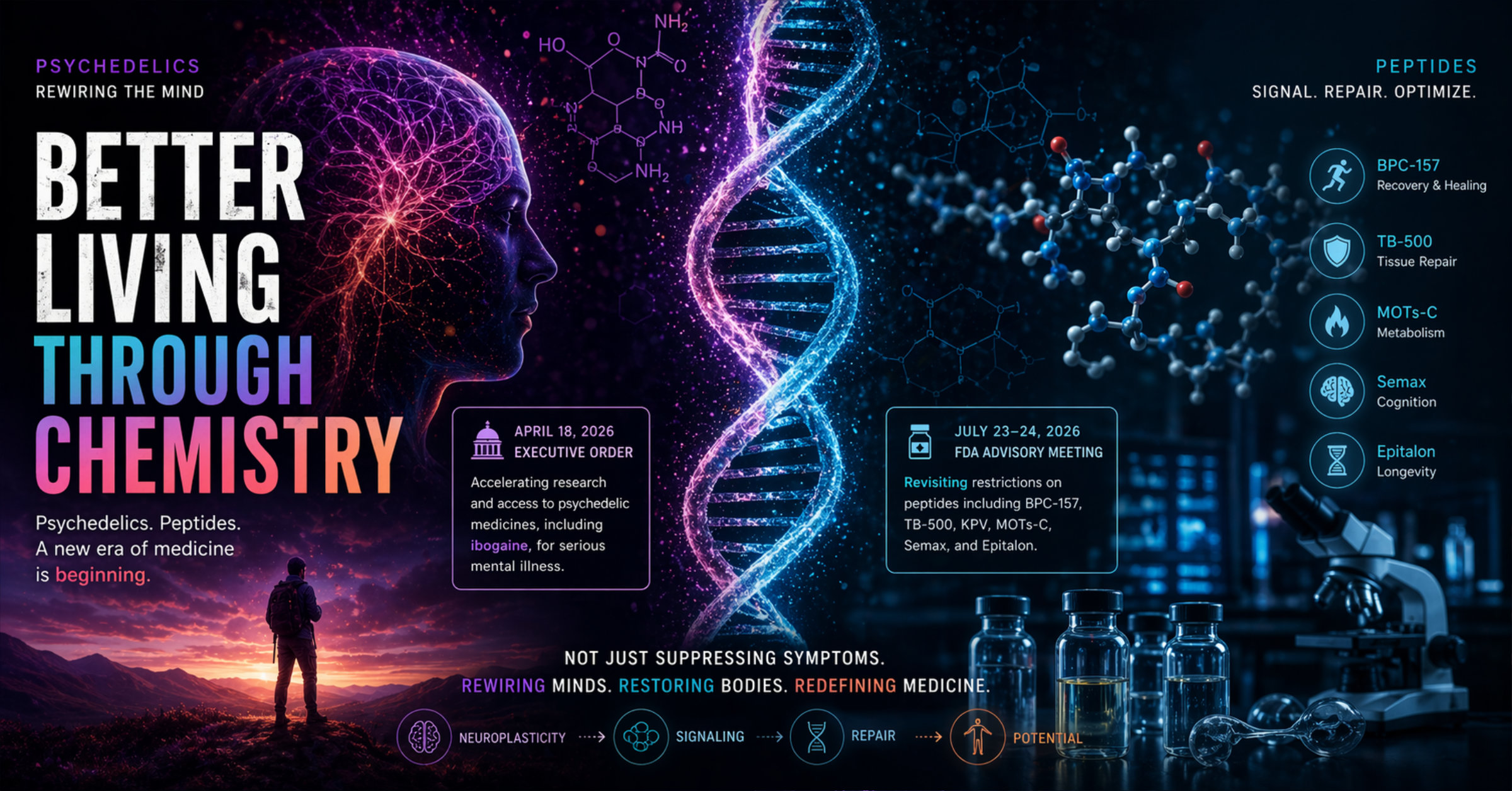
For a long time, America treated certain kinds of chemistry like a haunted house. We knew there was something powerful inside, but the political cost of opening the door felt higher than the scientific reward. Psychedelics were pushed into the shadows of the culture wars. Peptides became the domain of bodybuilders, anti-aging clinics, and gray-market biohackers. Serious researchers were often left peering through the window.
There is a particular feeling that shows up when the distance between an idea and a working thing suddenly collapses. One minute, something is sitting in the mental junk drawer labeled someday . The next, it is live, tested, improved, and weirdly close to good. Not perfect. Not final. But real.
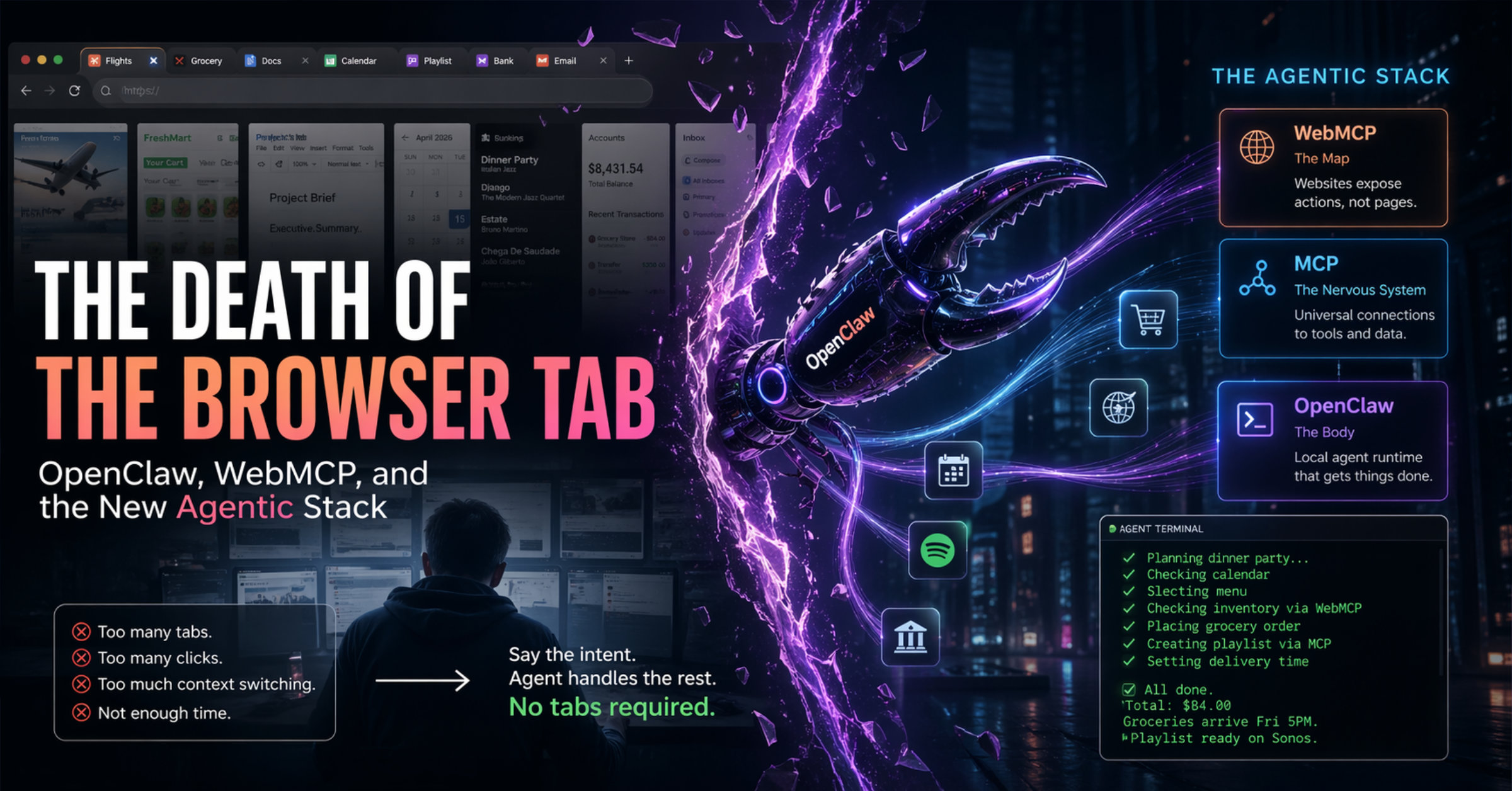
If you have spent any time on X, in the AI corners of GitHub, or lurking around Moltbook lately, you have felt the temperature change. The screenshots got louder. The demos got weirder. The line between “assistant” and “operator” started to blur. OpenClaw is no longer being treated like a clever side project. Its creator joined OpenAI in February, the project is moving into a foundation, and Moltbook itself was acquired by Meta in March. That is not novelty energy. That is platform energy.
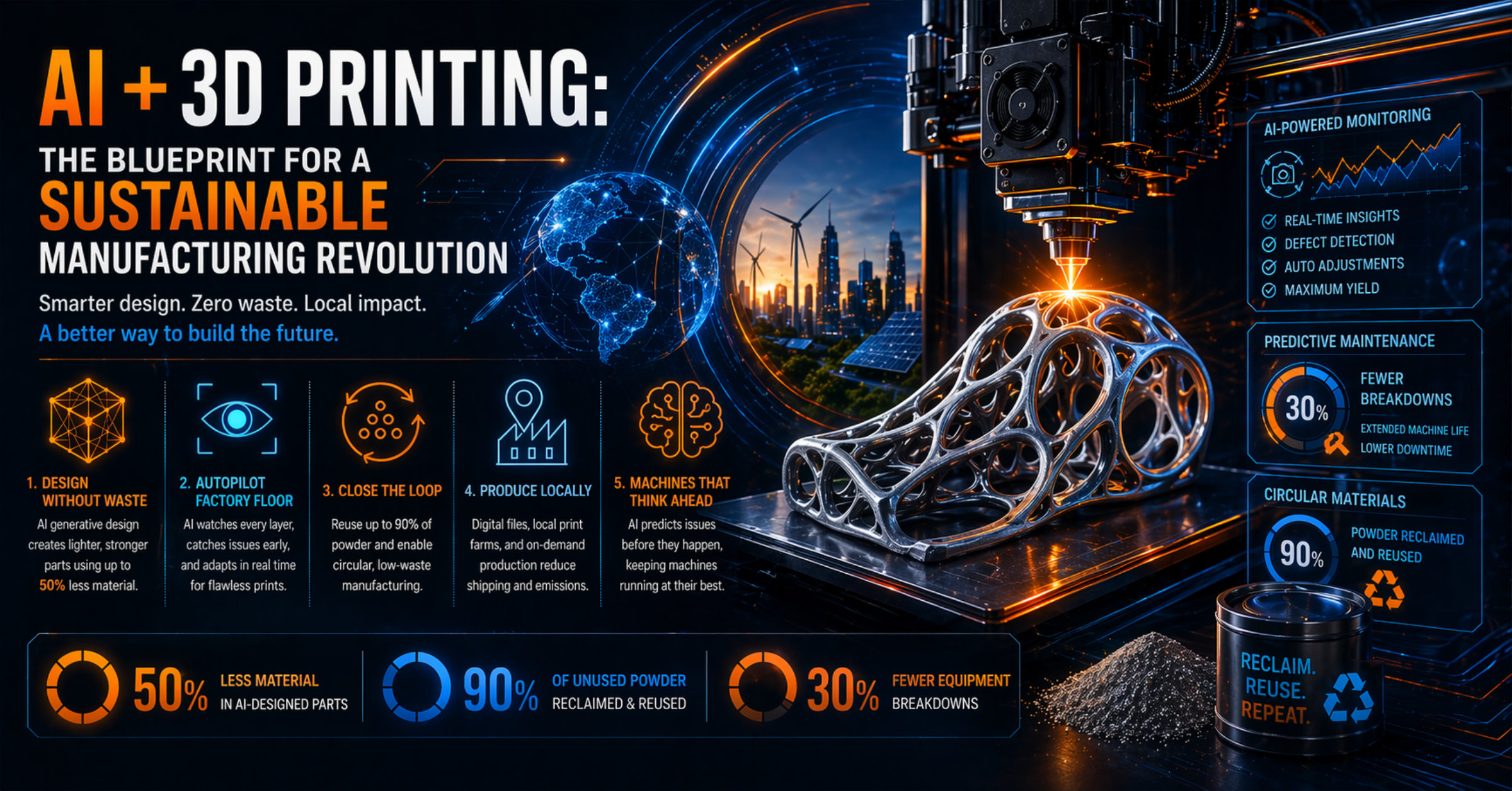
For years, manufacturing has lived with a bad bargain: if you wanted more output, you usually accepted more waste, more energy use, and more emissions. That tradeoff is starting to crack. AI and additive manufacturing are beginning to change the model itself, turning production into something more precise, more responsive, and far less wasteful. NIST now highlights generative design and predictive maintenance among the ways AI is already reshaping manufacturing, while the U.S. Department of Energy points to additive manufacturing as a path to lower material use, lower energy use, and lower emissions.
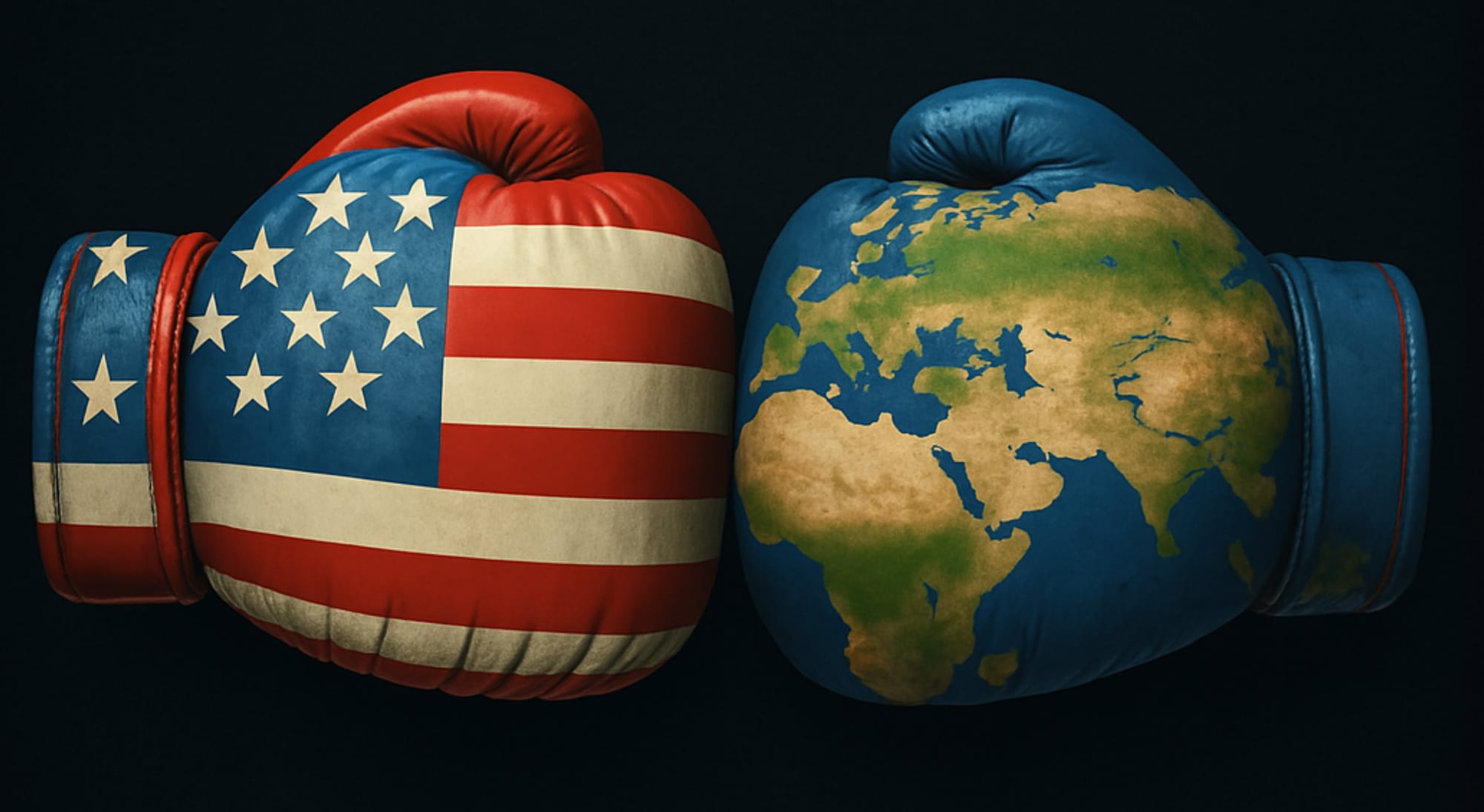
The United States is straining relations with key allies by imposing tariffs on Canada, Mexico, and the European Union, while simultaneously seeking closer ties with Russia amid ongoing tensions in Ukraine.
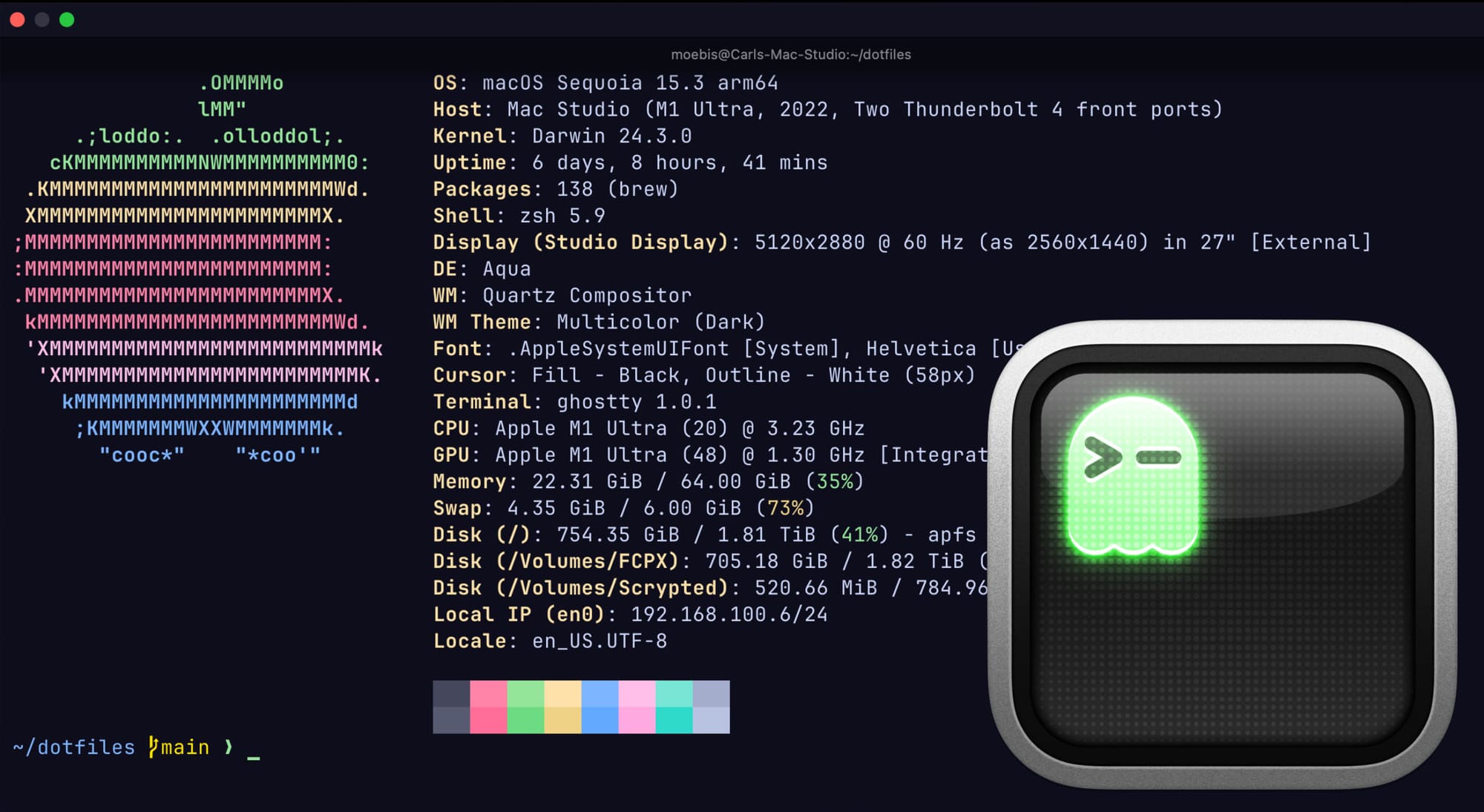
Ghostty is a new open-source terminal emulator developed by Mitchell Hashimoto, co-founder of HashiCorp. Written in the Zig programming language, Ghostty aims to provide a fast, feature-rich, and platform-native experience for developers. The first public release, version 1.0, was made available in December 2024.
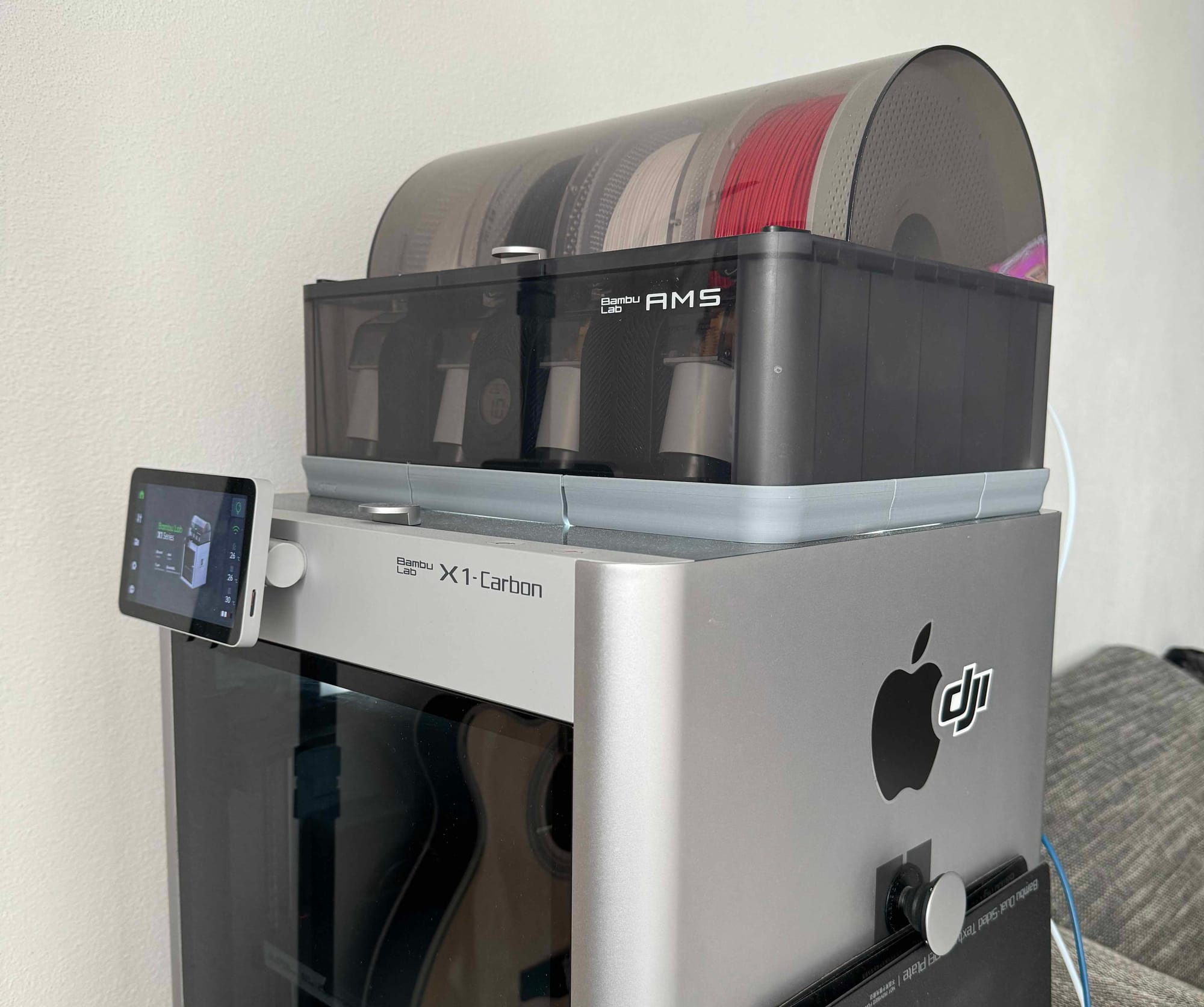
I never supported a single kickstarter project ever.... until whispers of the X1 Carbon and AMS started appearing online. For the price, it couldn't be beat. I had spent almost the exact same amount building a Voron 2.4 from a million parts a year prior. I decided, now is the time to jump in and so I had backed my first kickstarter project. It turned out to be a great gamble.
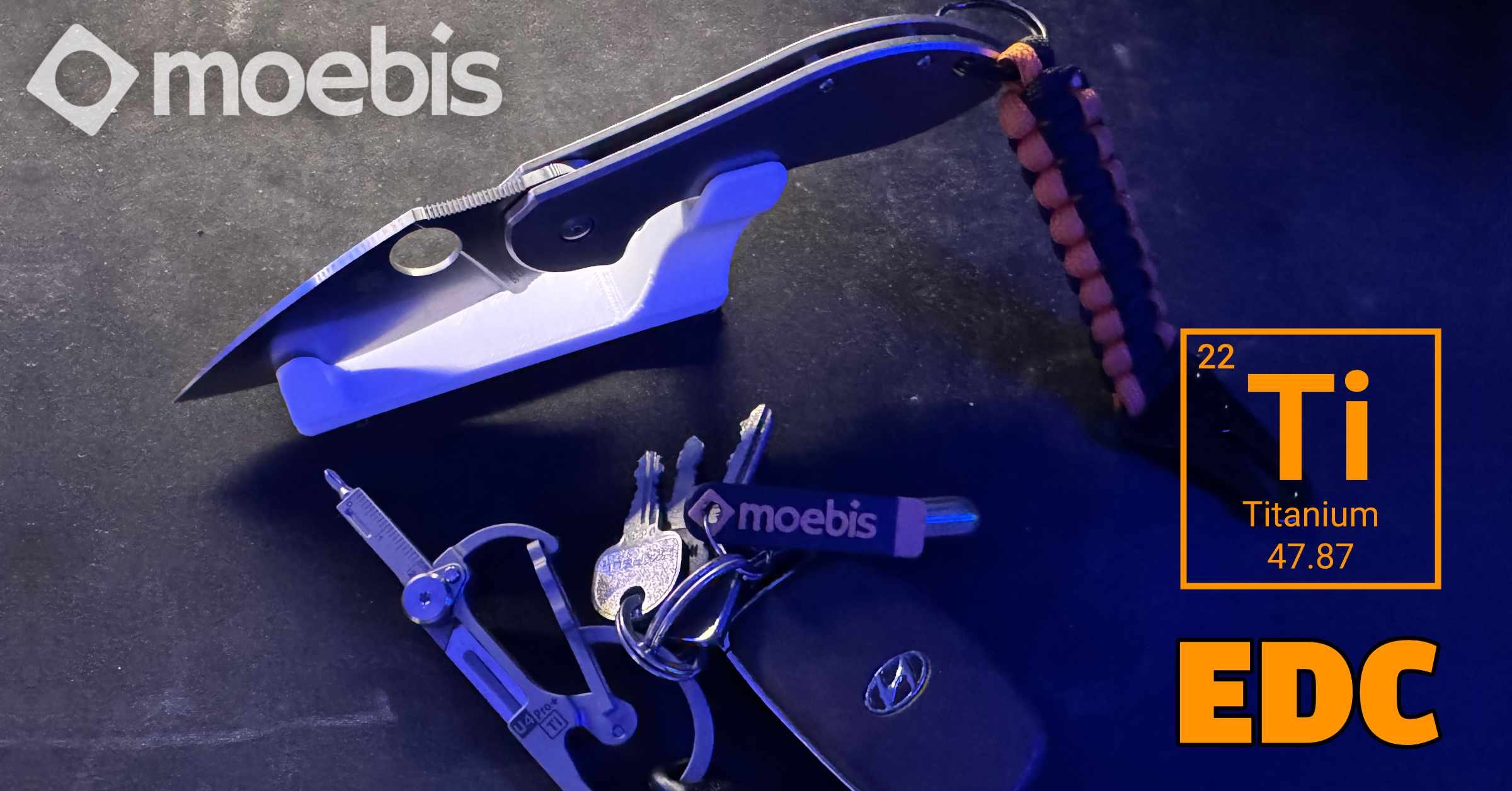
In the bustling rhythm of modern life, being prepared for the unexpected is more than just a mantra—it's a lifestyle. Enter the world of everyday carry (EDC), a concept that has gained traction among individuals seeking to equip themselves with essential tools that fit seamlessly into their daily routines. Among the myriad of EDC items, the humble keychain emerges as a pocket-sized arsenal, housing tools that serve myriad purposes. This blog delves into the usefulness of everyday carry, with a special focus on keychain essentials crafted from titanium.
In today’s rapidly evolving business landscape, having a robust knowledge management system (KMS) is paramount for corporations seeking to maintain a competitive edge. A KMS can encapsulate a vast array of data, insights, and experiential knowledge, aiding in informed decision-making and fostering a culture of continuous learning. The advent of Artificial Intelligence (AI) and Language Model Learning (LLMs), like OpenAI’s GPT-4, adds a new dimension to how corporations can manage and leverage their knowledge resources. In this article, we delve into how integrating AI and LLMs into a corporation’s KMS can spur productivity, enhance information retrieval, and catalyze novel connections amidst disparate data realms.
Cinematography, the art of visual storytelling, has been central to filmmaking for more than a century. But, like every other aspect of our digital age, it has been disrupted and transformed by technology. Two technologies – Cinewhoop drones and 3D printing – have come together to open up exciting new possibilities for filmmakers.
Artificial Intelligence (AI) has been a buzzword for quite some time now, but the advent of Generative AI has taken the conversation to a whole new level. Generative AI, a subset of AI, has the potential to revolutionize the way businesses operate, making it a game-changer for Corporate America.
The integration of AI and 3D printing holds immense potential for the future. With advancements in AI algorithms and 3D printing technology, we can expect to see more intelligent and autonomous 3D printers that can self-optimize and self-correct, leading to more efficient and reliable manufacturing processes. Moreover, the use of AI can also enable more personalized and customized 3D printing. By analyzing user data and preferences, AI can help design and print products that are tailored to the
Artificial intelligence has made its way into various aspects of our lives, including education, politics, and social media. But it's the art world that has caught the attention of many with the rise of AI-generated art. However, the use of AI in art creation is heavily debated. In this article, we explore the influence of AI in art and where it's headed next.
In today's world, knowledge is power. The ability to access and utilize information effectively is a critical component of success, whether you're an individual or an organization.
In recent years, Microsoft has been making a push to take market share from Google in the search engine space. They have invested heavily in artificial intelligence technology, including OpenAI's language model, ChatGPT, to drive search results and deliver a better user experience.
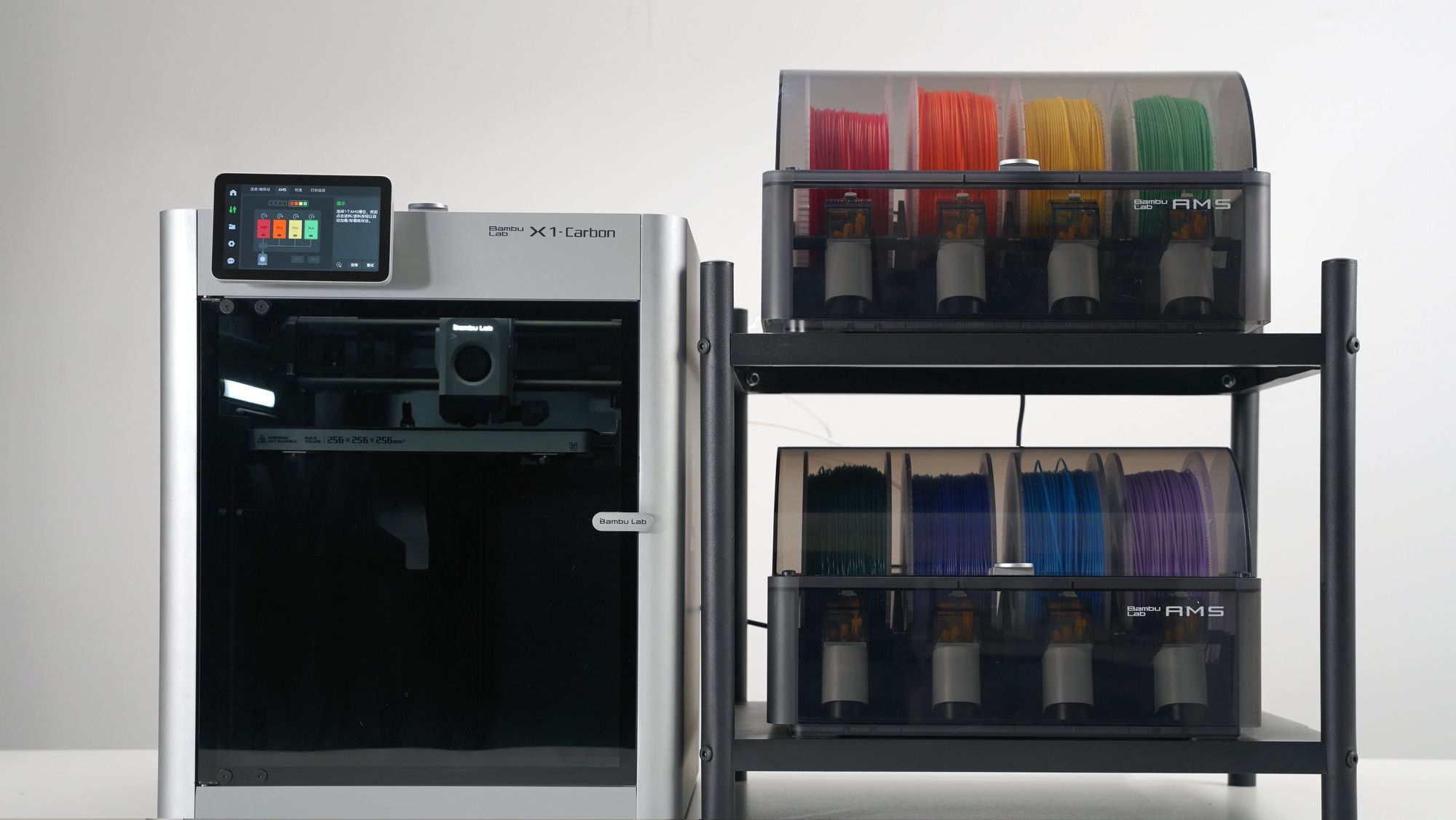
The Bambu Lab X1 series of 3D printers promises to revolutionize the desktop FDM 3D printing industry by offering a number of exciting features. The X1 Series is the first launch from Bambu Lab, and is already making waves on Kickstarter, having surpassed expectations just days after its launch.
As we welcome the new year, digital marketers are looking forward to the latest trends that will shape their strategies in the coming months. From data privacy concerns to the use of AI and machine learning, these are the trends that are set to make an impact in 2023. In this article, we will explore the top 4 digital marketing trends for 2023 and how they can help businesses stay ahead of the game. Data Privacy Concerns One of the biggest trends for 2023 is the increased focus on data privacy.
One of the main factors in determining Russia's potential victory in the war is the involvement of the Wagner Group, a private force led by oligarch Yevgeny Prigozhin, who is a member of Putin's inner circle.
Disco Diffusion is a free tool that you can use to create “AI” generated art. You can create machine learning generated images and videos with it. It's a software written in Python, and meant to be run in a Google Colab notebook.
After posting a series of videos on YouTube around the Fysetc Voron 2.4 (350mm) kit, I'm now in the process of doing mods and upgrades. Make sure to follow my YouTube channel to see more.
A new Voron kit from China has appeared on the scene, and its from our friends at Fysetc, creators of the popular Spider board which replaced the BTT SKR and was created in collaboration with the Voron design team.
Living in Slovakia for a few years, I've learned to master a popular Slovak dish called Kapustnica, or cabbage soup with smoked ham and kielbasa. Travel to LIDL to pick out the ingredients and put everything together at home. Dobru Chut!
There is the small bubble with your friends and family, the medium sized bubble, which consists of your community and locality and the large bubble, your culture and country.